What Is a Zoot Suit? History, Origins, and Cultural Impact
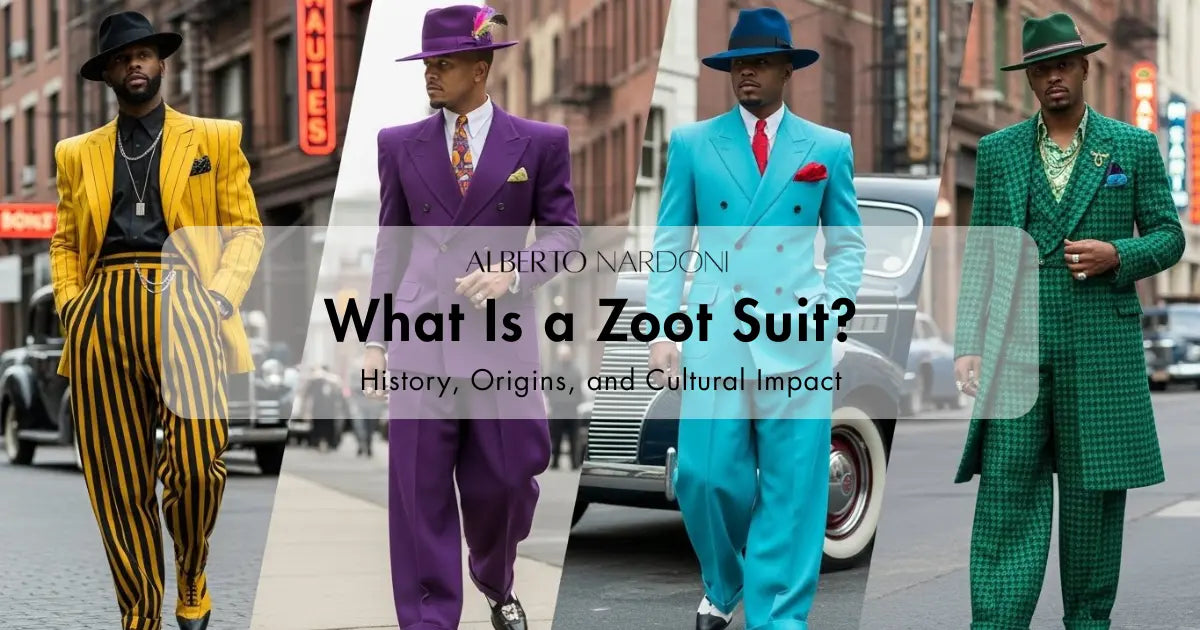
The zoot suit is more than just a style of clothing it’s a symbol of rebellion, identity, and cultural expression. Recognizable by its high-waisted, wide-legged pants, long jacket with wide shoulders, and flashy accessories, the zoot suit became a powerful statement in the 1930s and 1940s.
But what exactly is a zoot suit, where did it come from, and why does it remain culturally significant today? In this guide, we’ll explore the zoot suit’s history, origins, cultural impact, and lasting influence on modern fashion.
Origins of the Zoot Suit: A Blend of Culture and Style
The zoot suit first emerged in the African American communities of Harlem, New York, in the late 1930s. Its origins are rooted in the jazz era, where swing music dominated clubs and dance halls. Young men, known as “zooters,” adopted this bold style as a way to stand out and assert their individuality.
The look combined elements of elegance and exaggeration. Oversized jackets with padded shoulders, pleated pants that ballooned out, and long watch chains gave the wearer a distinct silhouette. The suit was often paired with wide-brimmed hats, spectator shoes, and pocket chains creating an image that was flashy, confident, and unapologetically stylish.
Interestingly, the zoot suit was not just a fashion statement; it represented a form of social rebellion. During the Great Depression, extravagant clothing was controversial, as it defied the norms of modesty and thriftiness. For many young men, wearing a zoot suit was a way to challenge social expectations and claim visibility in a world that often ignored them.
Historical Context: Economic, Social, and Migration Influences
The zoot suit history cannot be fully understood without the broader social and economic context. The late 1930s and 1940s were marked by the Great Depression, followed by World War II. In these times, flamboyant outfits like zoot suits defied both economic hardship and wartime rationing, making them acts of subtle defiance.
Migration patterns also played a role. The Great Migration brought African Americans from the South to Northern cities like New York and Chicago, creating vibrant urban communities where new styles like the zoot suit could flourish. Similarly, Mexican American communities in Los Angeles and other cities adopted the style, using it to assert cultural pride and resist marginalization.
This historical backdrop shows that the zoot suit was more than fashion, it was social commentary and identity expression, a visual language for youth asserting presence and individuality in challenging times.
Also Read: How to Build a Professional Suit Wardrobe on a Budget
Zoot Suits and Jazz Culture: The Perfect Match
Jazz music played a central role in popularizing the zoot suit. Swing bands, nightclubs, and dance competitions provided the perfect backdrop for showcasing these dramatic outfits. Musicians like Cab Calloway and Louis Jordan often donned zoot suits themselves, linking the style directly with the energy and sophistication of jazz.
The zoot suit also became a marker of identity within specific communities. African American, Mexican American, and Filipino American youths used the outfit to express pride in their culture. In cities like Los Angeles, Chicago, and New York, zoot suits became an emblem of urban street culture. By pairing fashion with music and dance, these communities created a dynamic subculture that celebrated individuality and resilience.
Understanding the Key Features of Zoot Suit
To understand why the zoot suit made such a bold statement, it’s important to break down its distinctive features:
-
High-waisted, wide-legged pants: Also called “peg-top trousers,” these pants ballooned outward and often extended several inches longer than standard pants, giving a dramatic, flowing silhouette.
-
Long jacket with wide shoulders: The jacket was deliberately oversized, with shoulder pads and long lapels, creating a powerful, commanding presence.
-
Accessories: Zoot suits were never complete without flashy accessories such as long chains, pocket watches, fedora hats, and two-tone shoes. These details highlighted a wearer’s flair and personality.
-
Bold colors and patterns: Bright colors, pinstripes, and checked patterns were commonly used, making zoot suits impossible to ignore in a crowd.
This combination of oversized proportions, bold patterns, and statement accessories made the zoot suit both a fashion risk and a cultural icon.
The Zoot Suit in the Mexican American Community
While the zoot suit began in African American communities, it quickly spread to Mexican American neighborhoods in Los Angeles, particularly in East LA and Boyle Heights. Here, the zoot suit took on additional cultural significance, symbolizing resistance against discrimination and economic inequality.
Mexican American youths, known as “Pachucos,” adopted the zoot suit as a badge of pride and rebellion. In a society where they were often marginalized, wearing a zoot suit became a way to assert identity and claim a space in public life. Pachucos added unique touches, including custom embroidery, bold hats, and flashy shoes, further distinguishing themselves from mainstream fashion.
The zoot suit also played a role in community bonding. Pachuco gangs, jazz clubs, and street dances became hubs for expression, and the outfit was a shared symbol of resilience, confidence, and style.
Controversy & Social Commentary: The Zoot Suit Riots
The zoot suit’s boldness made it a target of criticism, particularly during World War II. In 1943, tensions between servicemen stationed in Los Angeles and Mexican American youths erupted into the infamous Zoot Suit Riots.
Sailors and soldiers accused Pachucos of being unpatriotic because the oversized suits used extra fabric, which was seen as wasteful during wartime rationing. These accusations quickly escalated into violent confrontations, with servicemen attacking young men wearing zoot suits. News coverage sensationalized the events, portraying zoot suiters as troublemakers and further stigmatizing the style.
Beyond Los Angeles, the zoot suit also symbolized racial and cultural tension across urban America. Newspapers often framed zoot suit wearers as rebellious or criminal, while in reality, the suits were symbols of identity, pride, and resilience. The riots highlighted how fashion can intersect with race, class, and politics, showing that clothing is never just about aesthetics.
Zoot Suits in Popular Culture
The zoot suit’s influence extended far beyond its original communities. Hollywood films, music, and theater began to feature zoot suits as symbols of style, rebellion, and urban life.
-
Hollywood Films: Movies like The Zoot Suit (1981) dramatized the cultural significance of the style and the events of the Zoot Suit Riots, introducing the fashion to new generations.
-
Music: Swing, jazz, and later rock ‘n’ roll musicians often referenced the zoot suit in their performances and album art, reinforcing its connection to music-driven subcultures.
-
Theater: Plays and musicals explored themes of identity, pride, and defiance associated with the zoot suit, highlighting its role as a cultural marker.
Modern Relevance: Zoot Suit Fashion Today
Even decades after its peak, the zoot suit modern influence is undeniable. Many contemporary designers draw inspiration from its bold proportions, vibrant patterns, and emphasis on accessories. Oversized jackets, wide-legged trousers, and statement hats seen on today’s runways echo the zoot suit’s daring aesthetic.
Streetwear and urban fashion have also embraced elements of zoot suit styling. The focus on individuality, confidence, and personal flair continues to resonate with young people who seek to make a statement through their clothing.
Moreover, the zoot suit paved the way for cultural fashion movements, encouraging designers to explore how clothing can express identity, resistance, and pride. From vintage collections to modern runway reinterpretations, the zoot suit’s legacy lives on as a reminder that fashion is intertwined with social context and personal expression.
Read More: What Is a Canadian Tuxedo?
Celebrating Craftsmanship and Customization
One of the reasons zoot suits have endured is the level of craftsmanship involved in creating them. Tailors devoted significant time to cutting oversized jackets, pleating trousers, and adding precise details such as embroidery and accessories. The suit’s construction required skill, attention to detail, and a deep understanding of proportion and balance.
Customization was key. Zoot suiters often worked with tailors to ensure the perfect fit and unique style. This tradition of bespoke tailoring continues to inspire modern designers and fashion enthusiasts who value personalization, craftsmanship, and the art of dressing well.
Paying Tribute to Zoot Suit Legacy with Alberto Nardoni
For those inspired by the elegance and boldness of the zoot suit, contemporary brands like Alberto Nardoni bring that spirit into modern menswear. With attention to quality, style, and individuality, Alberto Nardoni captures the essence of the zoot suit while adapting it for today’s sophisticated tastes. Wearing such pieces isn’t just about fashion—it’s about celebrating heritage, expressing personality, and honoring the cultural impact of this iconic style.
Why the Zoot Suit Remains Relevant Today
The zoot suit is not merely a vintage outfit; it is a symbol of self-expression, creativity, and resilience. Its story teaches us about the power of fashion to challenge societal norms and foster community identity. Today, wearing or studying a zoot suit is an appreciation of cultural heritage, an acknowledgment of historical struggles, and a celebration of bold style choices.
Fashion enthusiasts, historians, and designers continue to study zoot suits for inspiration, seeing in them a combination of elegance, defiance, and artistry. From vintage collections to modern runway reinterpretations, the zoot suit’s legacy lives on as a reminder that clothing can be a statement, a history lesson, and a cultural bridge all at once.