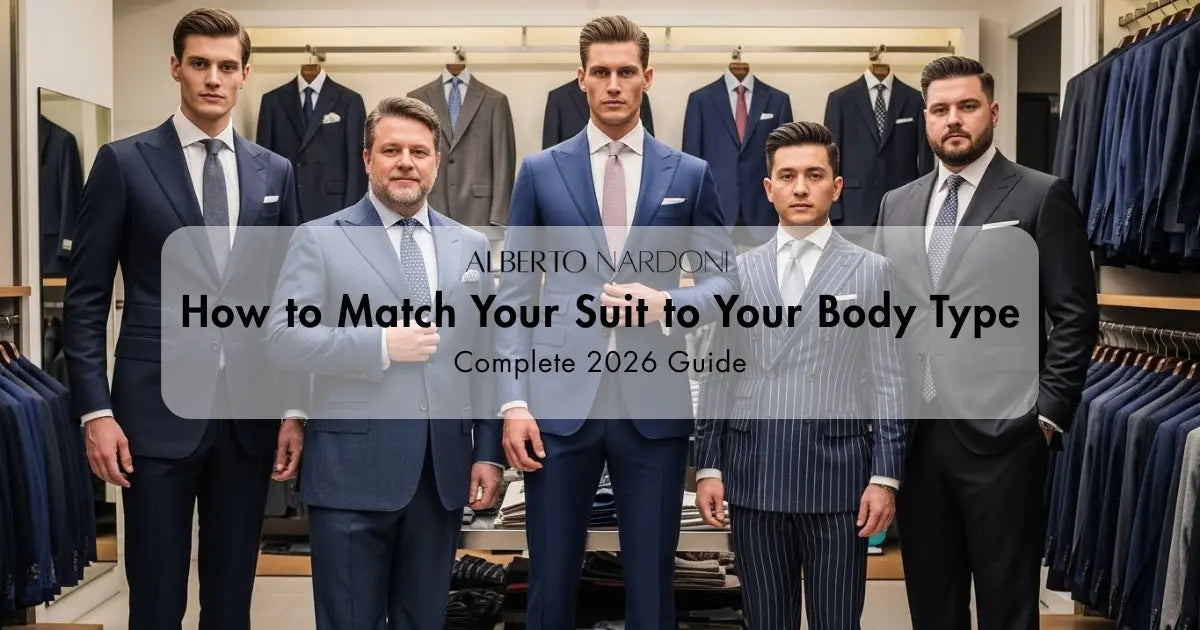
Choosing the right suit is not just about style or price. The real difference between an average look and a sharp, confident appearance comes down to how well the suit matches your body type. Suits for men are designed in different cuts, structures, and styles, but not every suit works for every body shape. When the fit is right, a suit improves posture, enhances proportions, and feels comfortable throughout the day.
Many men struggle because they focus on trends instead of fit. Whether you are shopping for mens suits for work, weddings, or special events, understanding how body type affects suit selection helps you make smarter decisions and avoid costly mistakes.
This guide explains how to identify your body type, how different suit styles work for each shape, and how the same suit can change based on the occasion.
Why Body Type Is the Foundation of a Great Suit Fit
Every suit is built around proportions. If the proportions of the suit do not align with your body, even an expensive suit will look off. Body type determines how a jacket sits on your shoulders, how trousers fall on your legs, and how balanced the overall look appears.
A well-matched suit creates visual harmony. It can make a shorter man look taller, a slimmer man look broader, or a heavier man look more streamlined. This is why professional tailors always assess body structure before recommending specific mens suits or custom suits.
Understanding Common Male Body Types
Most men fall into one of the following body categories, or a combination of them.
Some men have a lean build with narrow shoulders and a slim waist. Others have an athletic frame with broad shoulders and a defined chest. Some have a broader or stocky build where the waist is wider than the shoulders. Height also plays a role, with some men being tall and slim while others are shorter and compact.
Recognizing where you fit helps narrow down the best suit cuts and styles.
How to Identify Your Body Type Before Choosing a Suit
Before buying any suit, it is important to correctly identify your body type. Many men assume their size based on weight or height alone, but fit issues usually come from proportions, not numbers on a tag.
Start by standing in front of a mirror and observe your shoulders, chest, and waist. If your shoulders are the widest part of your body and your waist tapers in, you likely have an athletic build. If your shoulders and waist are close in width, your build is more straight or stocky. Narrow shoulders combined with a slim waist indicate a lean body type.
You can also learn a lot by trying on a jacket and buttoning it. If the fabric pulls or forms creases around the button, the jacket is too tight. If the jacket hangs loosely without shape, the cut may be too relaxed. Shoulder seams should sit exactly at the edge of your shoulders, and sleeves should show a small portion of your shirt cuff.
These simple checks help you understand what your body needs before browsing suits near me or investing in tailored options.
Choosing Suits for Men with a Slim or Lean Body Type
Slim men often struggle with suits that look too loose or unstructured. The goal is to add shape without making the suit feel tight or restrictive.
Mens slim fit suits are usually ideal for lean body types because they follow the natural shape of the body. Light shoulder padding adds structure, while a slightly tapered waist prevents excess fabric. Single-breasted jackets work best, as they keep the silhouette clean and balanced.
A 3 piece suit or vested suit is also a strong option for slimmer men. The vest adds visual weight to the torso and creates a more polished appearance. Medium-weight fabrics work better than very thin materials, which can cling and exaggerate slimness.
Suit Styling for Athletic and Muscular Builds
Athletic men often look great in suits, but fit issues can arise around the shoulders and chest. Jackets that are too tight restrict movement, while overly slim cuts can pull across the chest.
Structured jackets that follow the body’s natural shape work best. Look for mens suits with enough room in the upper body and a gentle taper at the waist. Double vents improve comfort and mobility, especially for broader shoulders.
Custom suits are often the best solution for athletic builds because they allow precise adjustments to chest, shoulders, and waist. Trousers should have enough room in the thighs while maintaining a clean line down the leg.
Also Read: What’s the Difference Between Tuxedo and a Suit?
Dressing a Broad or Stocky Body Type with Confidence
Broader body types benefit from suits that create length and reduce visual bulk. The key is simplicity and clean lines.
Single-breasted jackets with two buttons are the most flattering. They create a vertical line that helps elongate the torso. Double breasted suits are usually not ideal for this body type, as they add extra fabric across the midsection.
Darker colors such as navy, charcoal, and deep gray are slimming and versatile. Jackets should fit comfortably without pulling, and the length should fully cover the seat. Flat-front trousers with a straight or slightly tapered leg help balance the overall silhouette.
Suit Options for Shorter Men
Shorter men should focus on creating the illusion of height. Proportion and jacket length matter more than style trends.
Single-breasted jackets with a higher button stance help lengthen the legs visually. Mens slim fit suits work well when tailored correctly, as long as they are not overly tight. Vertical elements like pinstripes or clean seams guide the eye upward.
Trousers should have a light break or no break at all. Excess fabric at the ankles shortens the appearance of the legs and disrupts balance.
Dressing Tall and Slim Men with Balance
Tall men need suits that break up vertical length and add presence. Extremely slim cuts can make the body look stretched.
Double breasted suits work particularly well for tall frames, adding width and structure to the torso. Vested suits and layered looks also help balance height. Wider lapels and structured shoulders add strength to the upper body.
Patterns, textures, and heavier fabrics all help create a grounded and proportionate look for taller men.
How Body-Type-Based Suits Change with the Occasion
The same suit can look very different depending on where you wear it. Body type still matters, but the occasion determines how structured, formal, or relaxed the suit should be.
For weddings and celebratory events, elegant styling works best. Slim and athletic men can confidently wear 3 piece suits or vested suits, which add formality and photograph well. Broader body types benefit from single-breasted mens suits in darker or neutral tones that maintain a clean appearance. Softer fabrics with good drape enhance comfort while maintaining structure.
In business meetings and professional settings, balance and simplicity are key. Clean lines, classic colors, and comfortable construction matter most. Mens Italian suits are popular in professional environments due to their refined tailoring and lightweight structure. Slim and tall men should avoid overly trendy cuts, while broader men benefit from minimal patterns and darker shades that project authority.
Formal evenings and special events require structure and sophistication. Athletic and tall men can carry a double breasted suit confidently for evening wear. Slim men should focus on structured shoulders and defined waists, while broader body types should prioritize proper tailoring and solid colors. Jacket length and sleeve fit become especially important under evening lighting.
Casual formal and semi-formal occasions allow more flexibility. Western suits, lighter fabrics, and softer construction work well here. Lean and athletic builds can explore texture and color, while shorter men should keep proportions clean and streamlined. Even in relaxed settings, fit should never be compromised.
The Role of Fabric, Color, and Suit Construction
Fabric choice affects how a suit sits on the body. Heavier fabrics add structure and are ideal for slimmer men, while lighter fabrics drape better on broader frames.
Mens Italian suits are known for soft shoulders, fine fabrics, and elegant construction. They work well for men who value comfort without sacrificing style. Color also plays a role, with darker shades creating a slimming effect and lighter colors adding visual width.
Construction details such as lapel width, jacket length, and vent style all contribute to how a suit complements your body type.
Accessories and Styling Balance for Every Body Type
Accessories complete the suit and influence proportions more than most men realize.
Slim men benefit from slightly wider ties and layered looks such as a vest. Athletic builds should keep accessories balanced and proportional. Broader body types should choose minimal, streamlined accessories that do not add visual bulk. Taller men can experiment with texture, while shorter men should keep styling clean and vertical.
Shoes, ties, pocket squares, and shirts should support the suit rather than overpower it. When chosen correctly, accessories enhance balance and confidence.
Custom Suits vs Ready-to-Wear Mens Suits
Ready-to-wear suits are designed for average proportions, which means they often require tailoring. Custom suits offer precise measurements and personalized details, making them ideal for men with unique body shapes.
Custom tailoring allows control over jacket length, lapel style, waist suppression, and trouser cut. While the investment is higher, the fit, comfort, and longevity often outweigh the cost.
Why Tailoring Is the Final Step to the Perfect Fit
Even the best mens suits need tailoring to look their best. Small adjustments such as sleeve length, trouser hemming, and waist shaping can transform how a suit looks and feels.
Experienced tailors focus on shoulder alignment first, as it is the hardest area to alter. Proper tailoring ensures the suit follows your body naturally and maintains comfort throughout the day.
Understanding how suits for men interact with different body types allows you to dress with confidence rather than guesswork. When fit, fabric, and proportion work together, a suit becomes more than formal wear, it becomes a personal statement.
For those who appreciate refined tailoring, thoughtful design, and timeless elegance, Alberto Nardoni represents a menswear philosophy where craftsmanship and fit come together effortlessly.
Frequently Asked Questions
What suit style works best for athletic builds?
Athletic builds with broad shoulders and narrow waists should opt for tailored or slim-fit suits that emphasize their V-shaped physique. Avoid boxy, oversized cuts that hide your natural proportions, and consider side vents to accommodate muscular thighs.
How should shorter men choose suits to look taller?
Shorter men should select suits with higher button stances and shorter jacket lengths that hit at the hip bone to create the illusion of longer legs. Stick to slim or tailored fits with minimal break in the trousers, and avoid oversized patterns or wide lapels that can overwhelm your frame.
What's the best suit fit for larger or plus-size men?
Larger men should choose classic or modern fit suits that provide comfort without excess fabric, focusing on proper shoulder fit as the foundation. Vertical elements like pinstripes, notch lapels, and a single-breasted style help create a slimming, elongated appearance.
Can tall men wear any suit style they want?
While tall men have more flexibility, they should avoid short jackets that make their legs look disproportionately long. Look for longer jacket lengths, wider lapels to balance height, and consider double-breasted styles or three-piece suits that add visual interest to your frame.
What suit details should slim or skinny men focus on?
Slim men should avoid overly tight or skinny fits that emphasize their narrow frame, instead choosing slim-fit suits with structured shoulders to add dimension. Patterns like checks or windowpanes, along with details like patch pockets or double-breasted jackets, can add visual weight and balance.
Want more expert advice on suits, style, and men's fashion? Follow us on Facebook and Instagram for daily tips, trend updates, and exclusive content to help you look your best at every occasion.